Currently Working on…
Plant-Animal Interactions
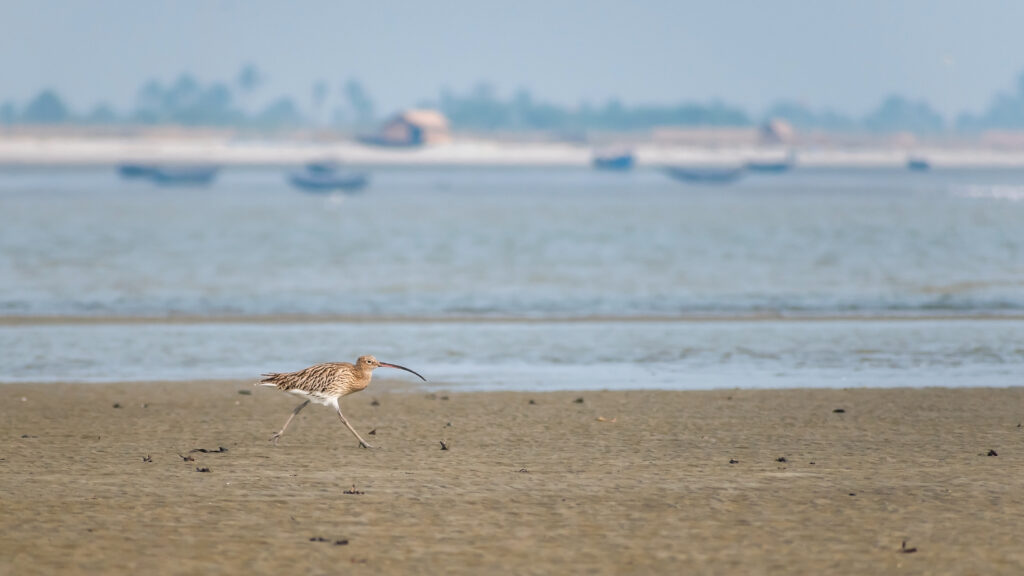
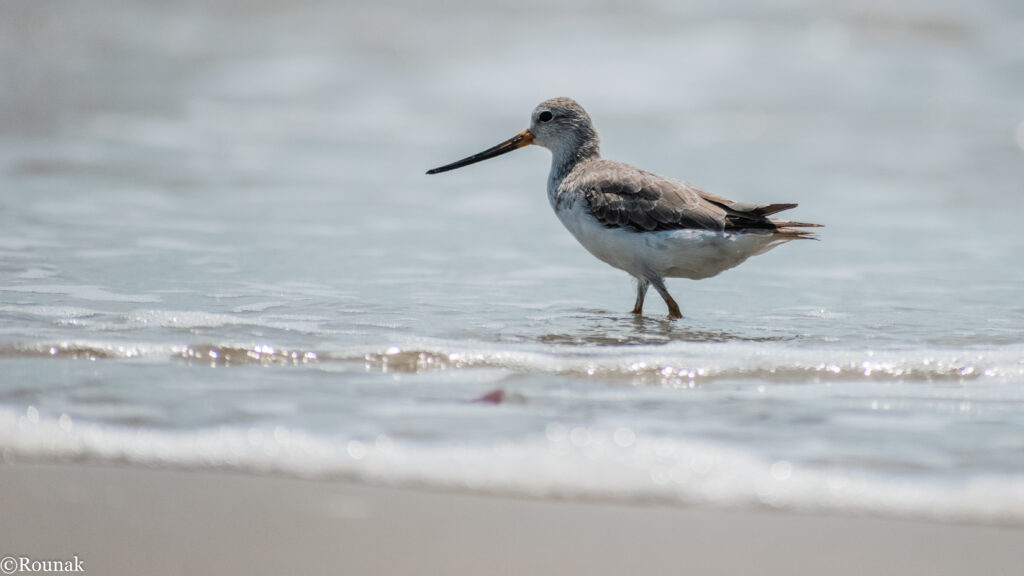
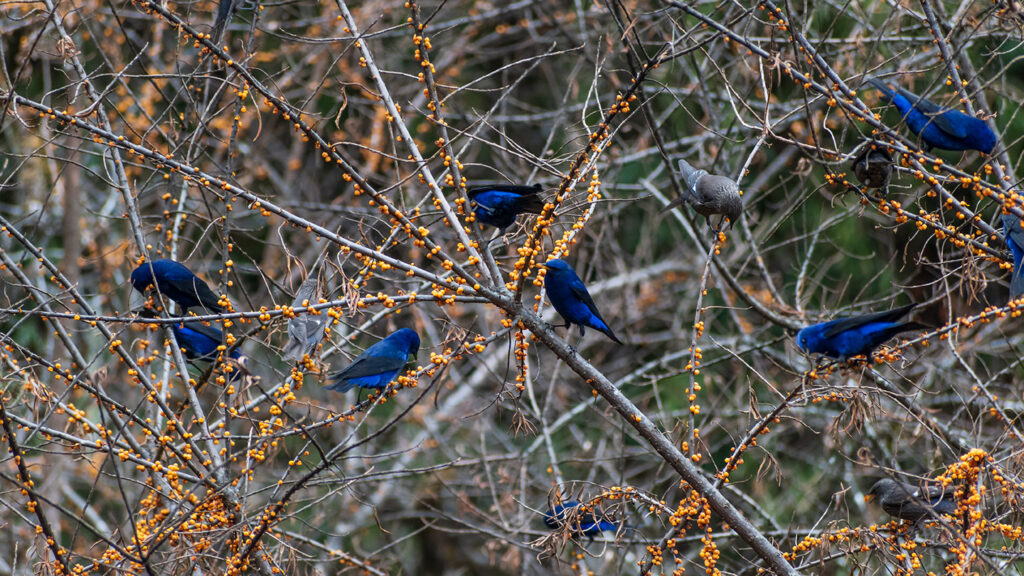
I have always been intrigued by what birds eat. Whether it is the pulpy fruits or insects and worms, it is fascinating to observe how each species of birds are morphologically adapted to feed on specific food that they specialize on. My liking towards understanding bird diets and foraging behaviours, probably started in coastal West Bengal- where winter migration would lead to large congregation of shorebirds. If you’re a birder and have observed birds like Eurasian Curlew (Numenius arquata) with a long downcurved bill or a Terek Sandpiper (Xenus cinereus) with a slightly upcurved bill, then you must have noticed that even though these two shorebirds have some overlapping diet, they feed in completely different areas on the beach, thus reducing competition amongst them. One prefers probing deeply in soft mud for buried invertebrates, while the other dashes about, focusing on surface-level prey and small invertebrates. Similarly, fruit-eating birds or frugivores like Hornbills in the Old World and Tanagers in the New World have different bill shapes and sizes that allows them to feed on fleshy fruits, nectars and seeds. My current work focuses on understanding how frugivores in general are distributed in the mountains across the world and what makes them unique? I am also interested in understanding the temporal change in the diets of tropical frugivores. In simpler terms- ‘who used to eat what?’ and ‘are these species eating the same thing in time?’ In order to answer some of these questions, I will be travelling to the Bolivian Yungas. Keep watching this space for further updates. 🙂
Previous Projects
Studies on Western Ghats Ecology and Development of Wildlife Conservation & Mitigation Plan for Kaiga Atomic Power Plant, Uttara Kannada, Karnataka, India

As part of an ecological assessment in the biodiverse Western Ghats, I conducted an extensive bird survey around the Kaiga Atomic Power Plant in Karnataka, India. This study aimed to document avian diversity and understand how habitat types surrounding the plant—ranging from tropical evergreen and semi-evergreen forests to plantations and mixed habitats—shape bird community composition.
Over several months, I carried out standardized point counts across 118 locations, recording more than 200 bird species. The study revealed that semi-evergreen forests supported the highest bird abundance, while tropical evergreen forests harbored unique frugivorous and canopy-dwelling species. Species like the White-cheeked Barbet and Southern Hill Myna emerged as ecological indicators of particular forest types.
This project not only generated a comprehensive bird checklist for the region but also provided valuable baseline data to inform long-term biodiversity monitoring and conservation planning in a human-modified landscape.
Ecological Impacts of Invasive Plants on Birds and Native Flora in Rajaji Tiger Reserve
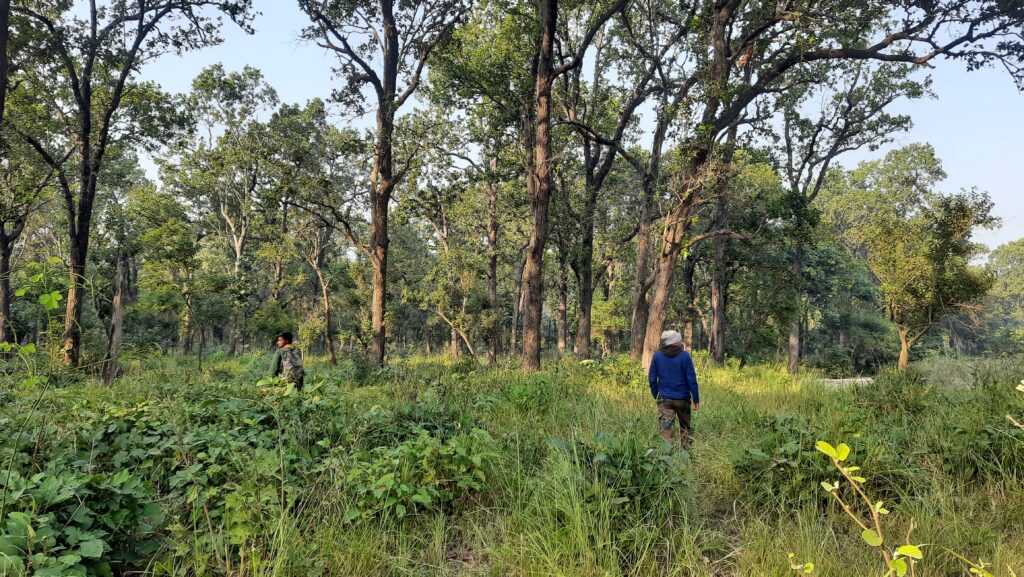
As part of a research project funded by the Department of Science & Technology (DST), Government of India, I worked on assessing the ecological impacts of major Invasive Alien Plants (IAPs) on native flora and avian communities in Rajaji Tiger Reserve, Uttarakhand.
The study combined vegetation sampling in permanent plots and tree enumeration with soil sample collection and analysis (Organic Carbon, Nitrogen, Phosphorus, Potassium) to understand how invasive species such as Lantana camara alter forest structure and soil health.
To assess avian responses, I conducted line transect surveys to document bird community assemblages and carried out focal observations at fruiting trees—both native and invasive—to monitor visitation rates by frugivorous and other bird species.
This integrative field-based project provided insights into how plant invasions affect ecological interactions and biodiversity in the foothills of Himalayas.
Bird Alliance – Content and Nature Communication
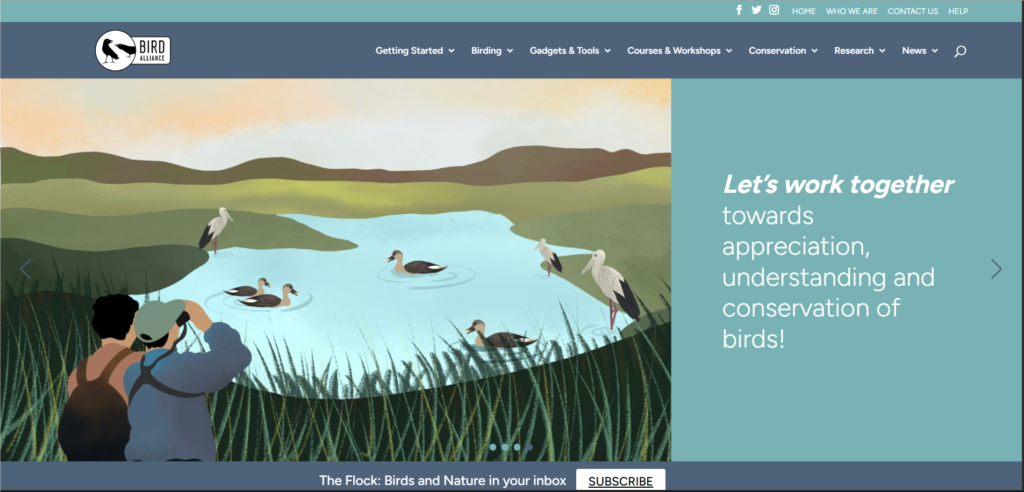
As a Content Intern with the Nature Communications Team at Bird Alliance (a Nature Conservation Foundation initiative), I contributed to curating and creating accessible, engaging content related to birds and birding for a wide audience.
My work involved collating scientific and general information on Indian bird species and their habitats, transforming it into visually compelling narratives for the Bird Alliance website and social media. I developed content around nature education, birdwatching tips, bird behavior, and avian ecology, with a strong focus on Instagram-based outreach.